Kruger National Park Guide: Wildlife, History, Safaris & FAQs
Discover why Kruger National Park is one of Africa's most iconic safari destinations, from its Big Five wildlife and birdlife to its history, landscapes, rest camps, and visitor experiences.
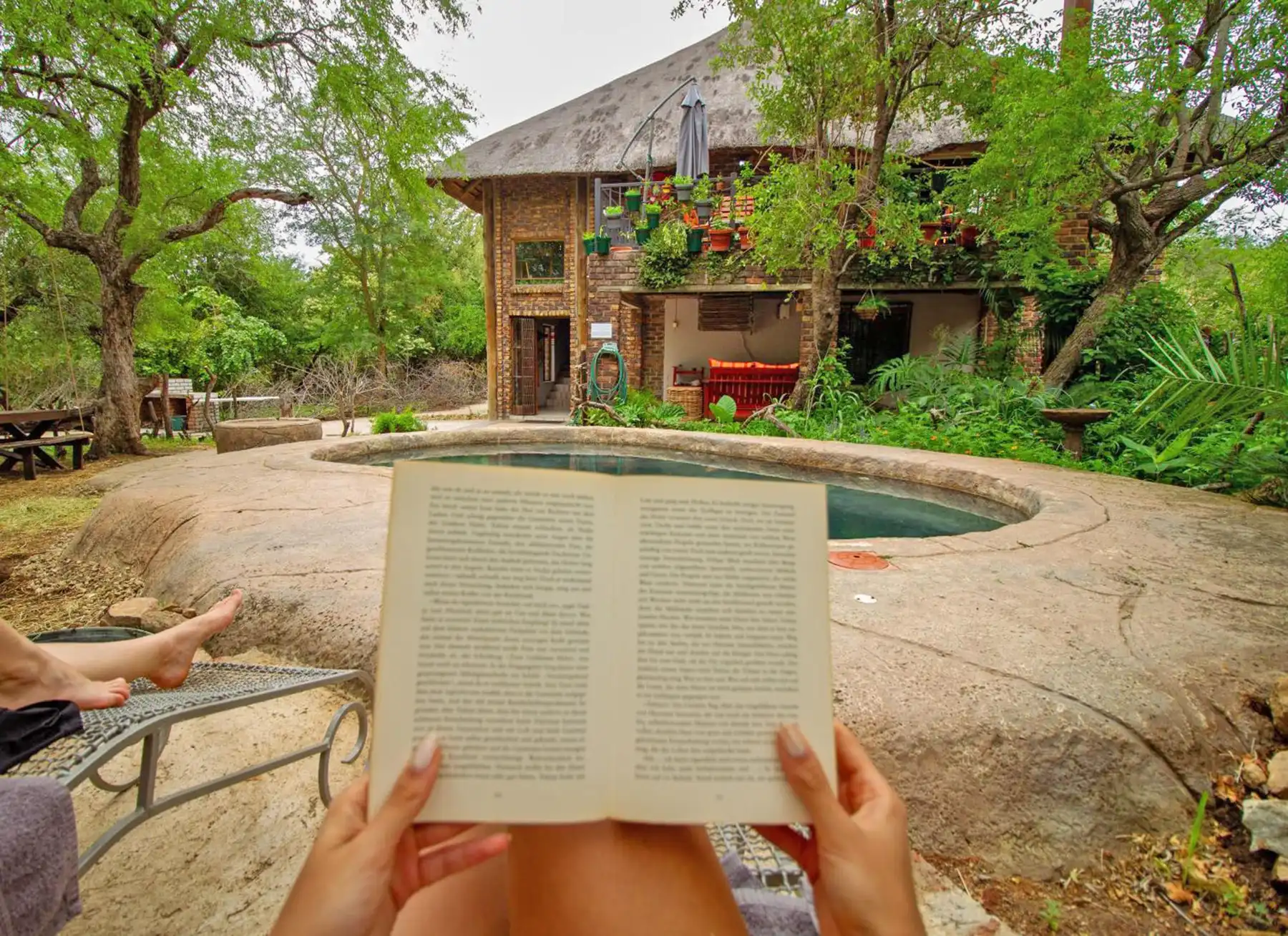
Kruger National Park is one of the largest and most famous game reserves in Africa. Covering nearly 20,000 square kilometres in northeastern South Africa, the park attracts visitors from around the world who come to experience outstanding wildlife viewing, diverse landscapes, and unforgettable safari adventures.
Whether you are planning your first safari or returning to South Africa for another wildlife journey, Kruger National Park offers exceptional biodiversity, well-developed tourism infrastructure, and excellent opportunities to see the Big Five.
History of Kruger National Park
Kruger National Park is named after Paul Kruger, former President of the South African Republic, who played an important role in the early protection of wildlife in the region. The area was first proclaimed as the Sabi Game Reserve in 1898, and it later became Kruger National Park in 1926.
Today, Kruger remains one of Africa's most celebrated conservation success stories and continues to protect a remarkable range of plant and animal life.
Wildlife in Kruger National Park
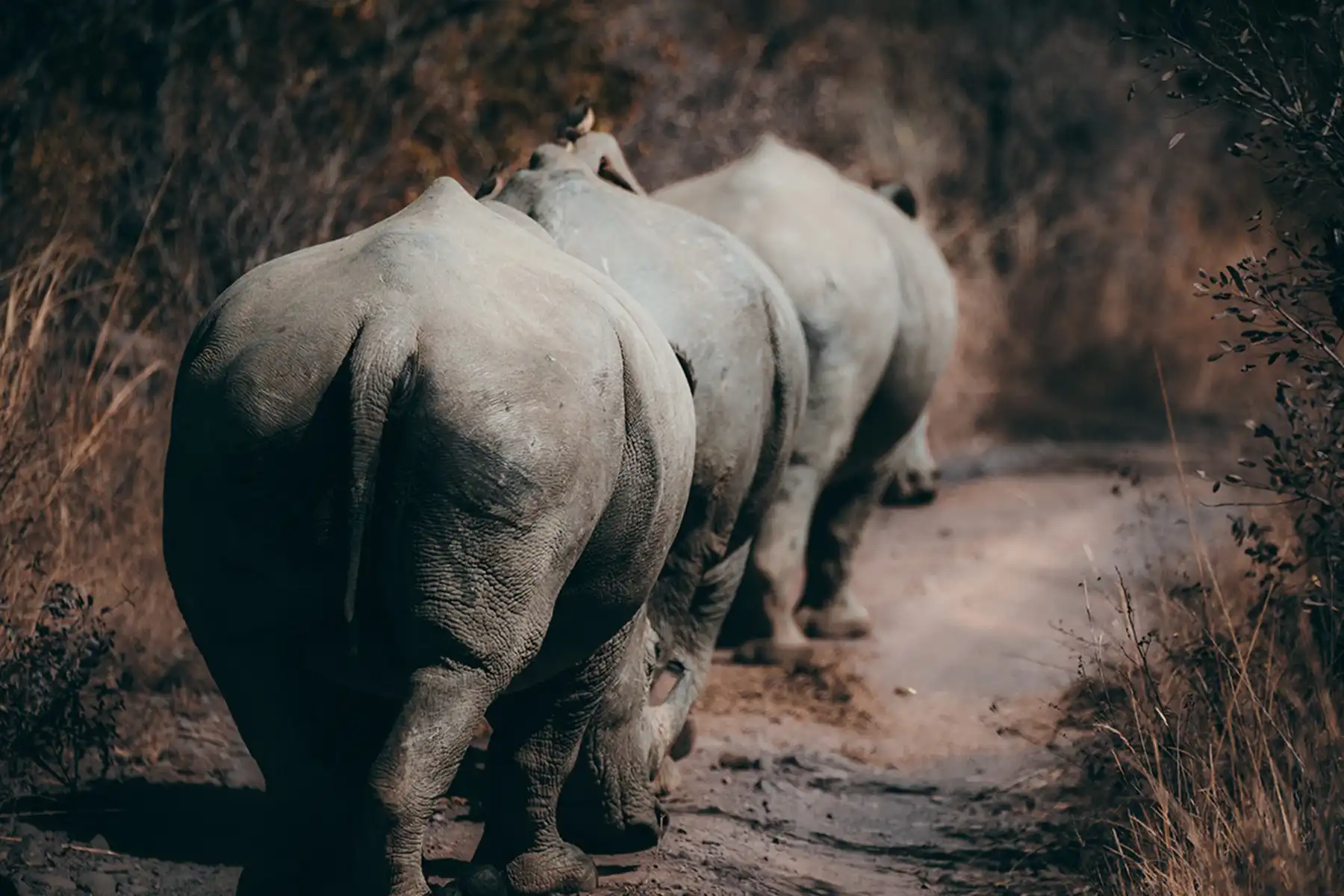
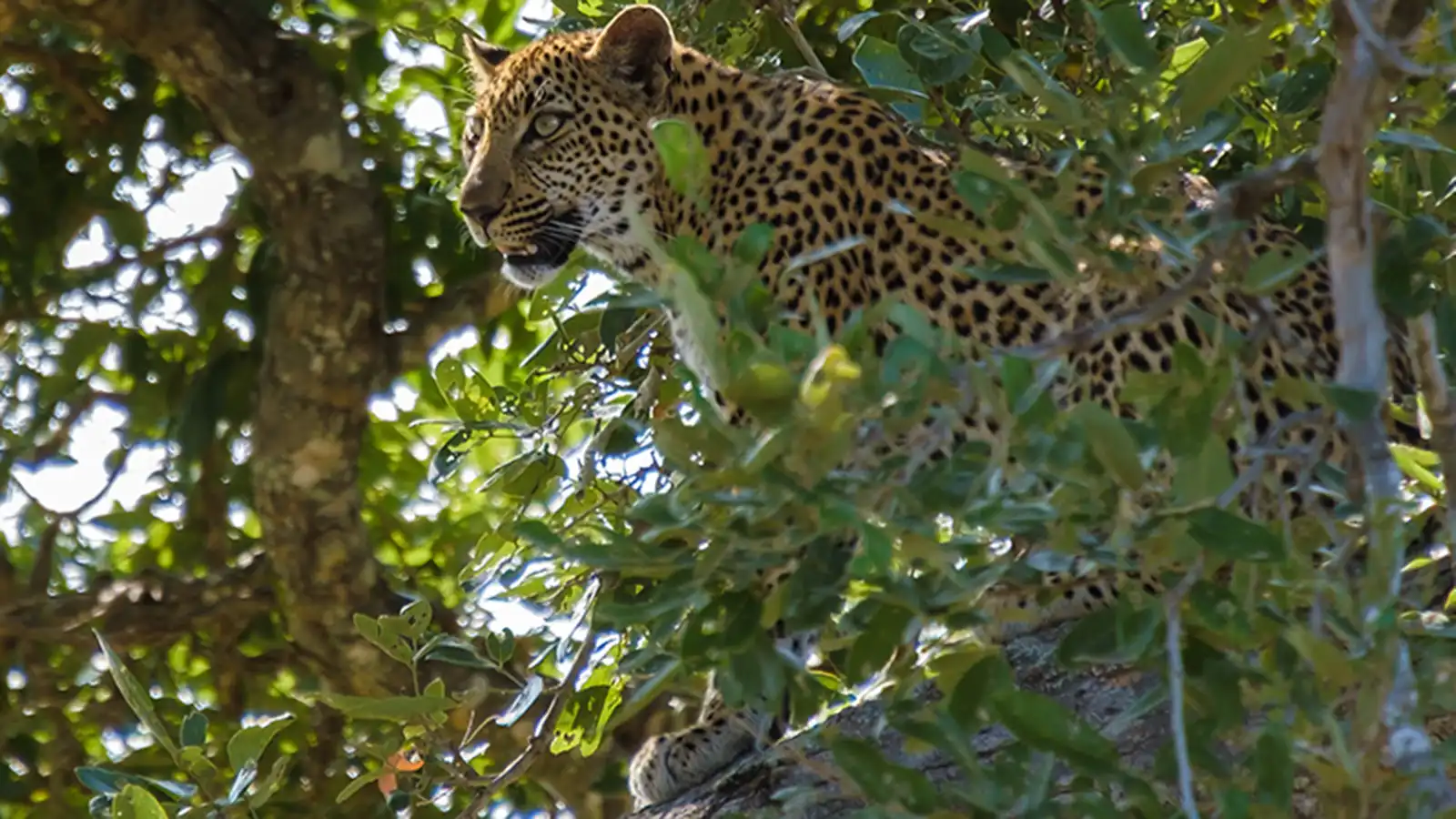
Kruger National Park is best known for its incredible wildlife diversity. It is home to the Big Five — lion, leopard, elephant, rhinoceros, and buffalo — as well as cheetahs, hyenas, zebras, giraffes, hippos, crocodiles, antelope species, and many other animals.
The park is also a leading destination for birdwatchers, with more than 500 bird species recorded, including sought-after sightings such as Pel's fishing owl.
Landscape, Regions and Biodiversity
Kruger National Park includes a variety of habitats, ranging from riverine forest and savannah to open grassland and bushveld. Different parts of the park offer different safari experiences. Southern Kruger is particularly well known for high densities of wildlife, while other regions offer quieter roads and distinct ecological features.
This variety of landscapes helps explain why the park supports such a wide range of mammals, birds, reptiles, and plant life.
Planning a Visit to Kruger National Park
Kruger National Park has an extensive road network, making it suitable for both self-drive visitors and guided safari guests. There are also numerous rest camps and accommodation options ranging from more budget-friendly stays to premium lodge-style experiences.
Because the park is located in a malaria area, visitors should plan ahead and take appropriate health precautions before travelling.
Activities in Kruger National Park
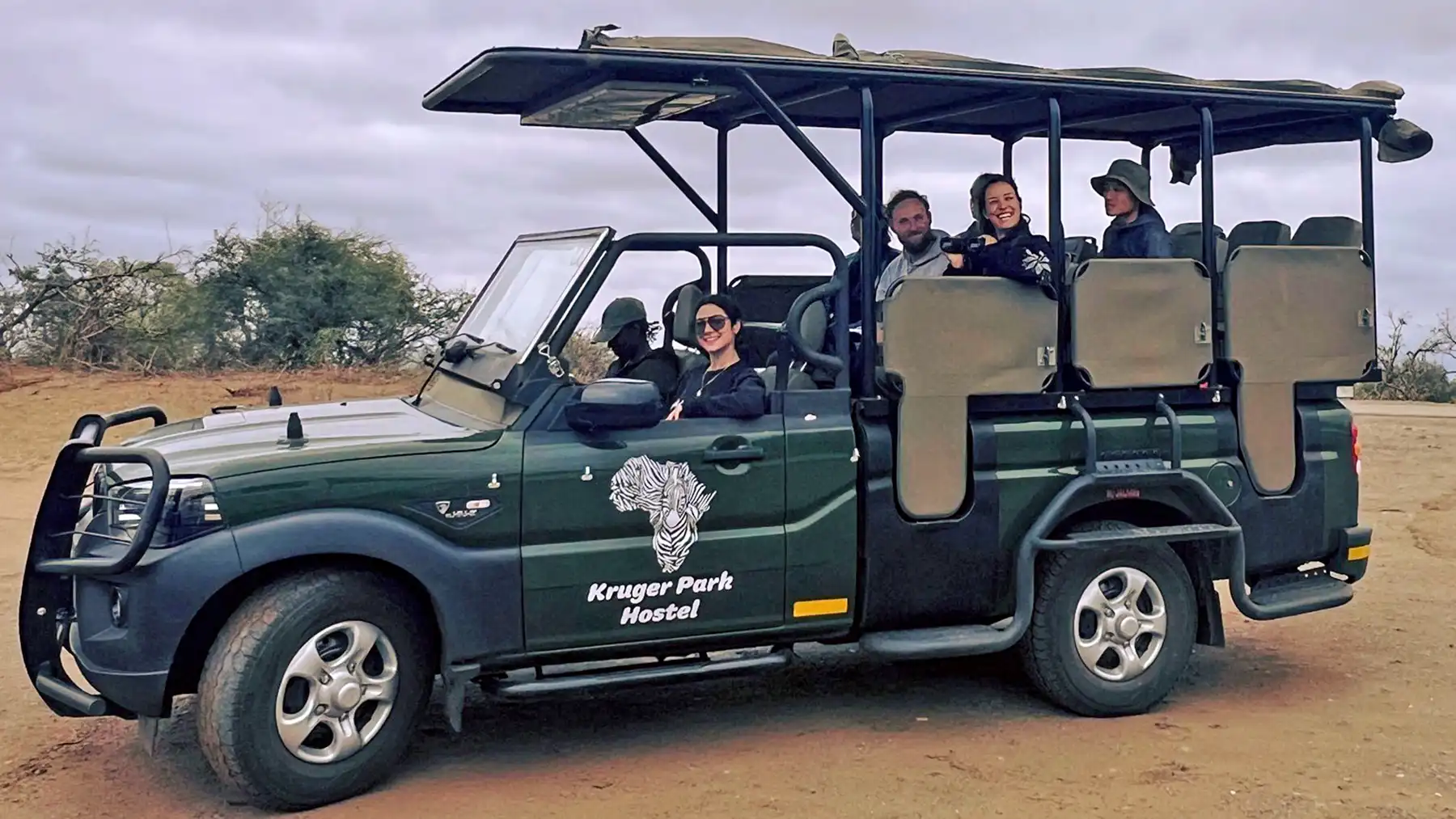
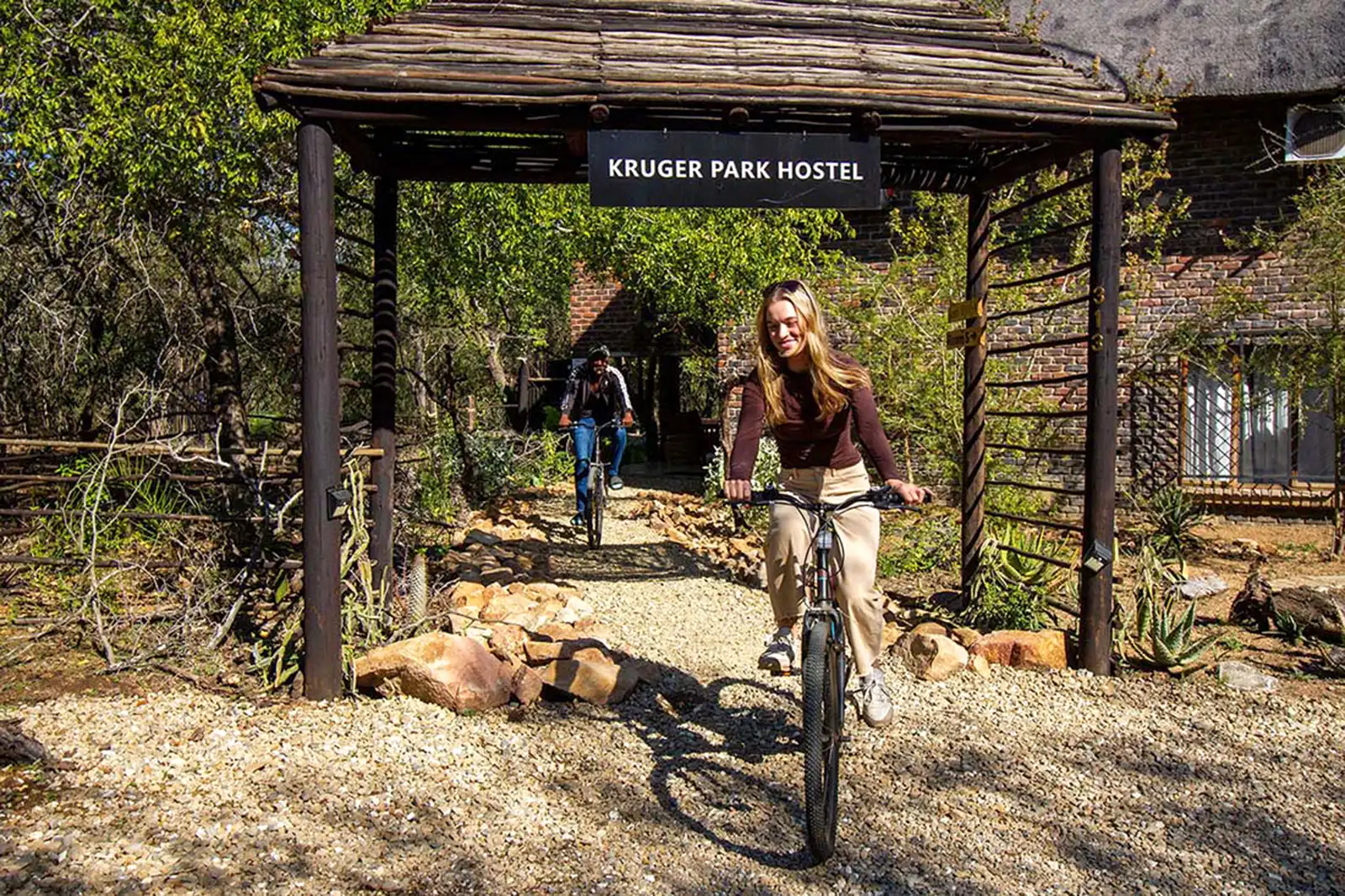
Kruger National Park offers a wide range of activities for travellers. Popular options include self-drive safaris, guided game drives, birdwatching, photography, bush walks, wilderness trails, and scenic exploration of the park's many ecosystems.
This variety makes Kruger one of the best safari destinations in South Africa for wildlife enthusiasts, photographers, families, backpackers, and first-time visitors alike.
Why Kruger National Park Is So Popular
Kruger National Park combines exceptional wildlife, strong conservation value, accessible tourism infrastructure, and a long history of safari travel in South Africa. For many visitors, it is the ideal destination to experience African wildlife in a protected and well-managed environment.
From its Big Five sightings and birdlife to its rest camps, history, landscapes, and safari routes, Kruger remains one of the most rewarding national parks in Africa.