Paul Kruger: The Frontier Farmer Who Became the Face of a Republic
A story of survival, leadership, and a changing world
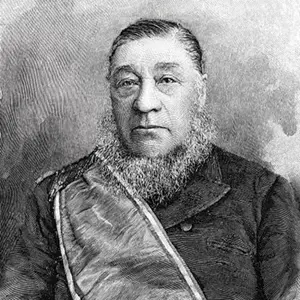
Paul Kruger is one of the most recognisable figures in South African history — a rugged, bearded leader remembered as “Oom Paul,” the symbolic father of the Boer republic. Yet his life was far more complex, shaped by hardship, conflict, faith, and a rapidly changing world.
A Childhood on the Moving Frontier
Stephanus Johannes Paulus Kruger was born on 10 October 1825 in the Cape Colony. His early life was anything but settled. At around ten years old, he travelled with his family as part of the Great Trek — the migration of Boer families into the interior of southern Africa.
Life on trek meant constant movement, danger, and uncertainty. Kruger grew up surrounded by wagon camps, religious discipline, and conflict. He witnessed and took part in clashes between Voortrekkers and African kingdoms, including the Battle of Vegkop.
With little formal education, his understanding of the world came from strict Calvinist teaching and the realities of frontier survival. These experiences shaped his strong sense of independence and belief in defending his people.
His early adult life was marked by hardship. He was granted a farm near Rustenburg at sixteen and married young, but tragedy struck when his first wife and child died. He later remarried and raised a large family under challenging frontier conditions.
Rising Through the Ranks of a Young Republic
Kruger’s leadership began on the frontier as a veldkornet — a role combining local government, law enforcement, and military organisation. It required resilience, authority, and practical decision-making.
By the early 1850s, he became active in the political development of the Transvaal. He was present at the Sand River Convention, which recognised the independence of Boer communities north of the Vaal River, and later helped shape the republic’s constitution.
During internal conflicts within the young republic, Kruger played a key role in maintaining unity and stability. His leadership helped prevent division during a fragile period.
Religion remained central to his identity. His strict Calvinist beliefs influenced both his political decisions and his view of the Boer people’s role in history.
From Leader to Symbol
In 1877, Britain annexed the Transvaal, changing Kruger’s role dramatically. He first attempted diplomacy, travelling to Britain to seek independence, but when those efforts failed, resistance followed.
The conflict that followed ended in Boer victory in 1881, restoring self-government. By 1883, Kruger was elected president of the republic and soon strengthened its independence further.
It was during this time that he became known as “Oom Paul.” To many, he was a protector and father figure; to others, he appeared stubborn and resistant to change.
Gold, Power, and Rising Tensions
The discovery of gold on the Witwatersrand in 1886 transformed the republic. Thousands of immigrants arrived, and Johannesburg grew rapidly into a major urban centre.
This brought wealth but also tension. The new population demanded political rights, while British interests increasingly focused on controlling the region’s resources.
Kruger responded cautiously by limiting political power for newcomers and maintaining control over the republic. His policies aimed to protect independence but were seen by many as exclusionary.
At the same time, he pursued economic independence through railway projects and trade routes that reduced reliance on British-controlled areas.
Kruger the Businessman
Despite his image as a simple farmer, Kruger was also deeply involved in land ownership and business. He acquired property, managed assets, and engaged in economic opportunities linked to the growing gold industry.
Some of his land became highly valuable after mineral discoveries, illustrating that he was not only reacting to change but also participating in it.
The Road to War
By the late 1890s, tensions between the Transvaal and Britain had intensified. Disputes over political rights, economic control, and imperial ambition led to a breakdown in negotiations.
After failed talks and growing military pressure, war began in 1899. The Boers initially saw success, but British forces eventually took control of key cities, shifting the balance of power.
Exile and Final Years
As the war turned against the Boers, Kruger left South Africa and travelled to Europe seeking support. While he received sympathy, he gained little practical assistance.
He spent his final years in exile and died on 14 July 1904 in Switzerland. His remains were later returned to South Africa and laid to rest in Pretoria.
A Complex Legacy
Paul Kruger’s legacy is deeply layered. To many, he symbolised resistance and independence. To others, his policies reflected the limitations and inequalities of his time.
He was a product of the frontier — shaped by survival, faith, and a strong sense of identity. His leadership reflected both strength and constraint.
Ultimately, his life mirrors the broader story of nineteenth-century South Africa — a period of migration, conflict, transformation, and change. He did not simply witness history; he helped shape it.
Frequently Asked Questions About Paul Kruger
Learn more about the life, legacy, and conservation contributions of Paul Kruger, one of South Africa’s most influential historical figures.