Best Entrance Gates to Kruger National Park for a Wildlife-Packed Day Safari
Short on time? Choosing the right Kruger National Park gate can make or break your
day safari. Here’s how to maximise wildlife sightings in just one unforgettable day.
With nearly 20,000 km² of wilderness, Kruger National Park is vast. If you’re a backpacker or international
traveller planning a one-day safari, the key is entering the park through a gate that gives
you fast access to game-dense areas. Below are the best gates for wildlife sightings,
prioritised for day visitors.
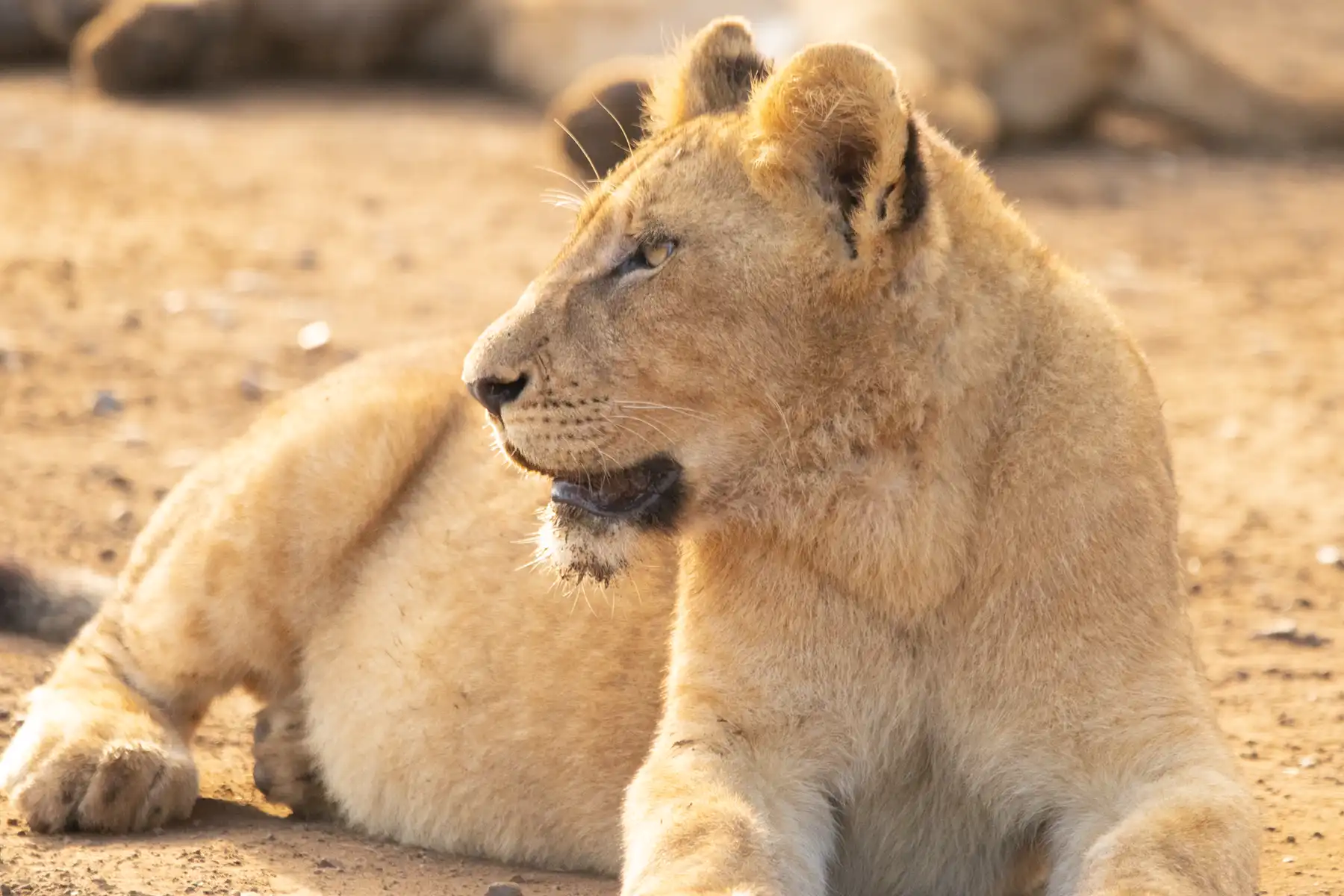
Female Lioness in Kruger National Park resting on safari
1. Crocodile Bridge Gate – Big Game from the First Kilometre
Located in the south-east, Crocodile Bridge Gate is widely regarded as the
best gate for wildlife on a day safari. Permanent rivers, fertile grasslands, and open
plains create ideal conditions for large herds and predators.
Immediate sightings of elephant, buffalo, giraffe, zebra, and wildebeest
Excellent chances of lions, cheetahs, and rhino
Access to famous routes like the H4-2 to Lower Sabie
Perfect for guests staying in Marloth Park or Komatipoort
Tip: Arrive at gate opening time to avoid queues and catch predators still active from the night.
2. Orpen Gate – Central Kruger’s Big Cat Territory
Orpen Gate opens into Kruger’s central grasslands near Satara, known as
big cat country. This area supports huge grazing herds, which in turn attract predators.
High densities of lions and cheetahs
Frequent sightings of wild dogs and hyenas
Open savannah with excellent visibility
Great choice from Hoedspruit and central Lowveld
3. Phabeni Gate – Fast, Quiet Access to Sabie River Wildlife
Ideal for travellers from Hazyview, Phabeni Gate is often quieter than neighbouring gates,
allowing quicker entry and more time in the park during peak wildlife hours.
Rapid access to the Sabie River ecosystem
Excellent leopard, elephant, and buffalo sightings
Less congestion than Paul Kruger Gate
Great for sunrise self-drives and guided day tours
4. Paul Kruger Gate – Classic Sabie River Big Five Area
Also known as Kruger Gate, Paul Kruger Gate leads directly to Skukuza and the Sabie River,
one of Kruger’s richest wildlife corridors.
Reliable Big Five sightings, especially elephant and leopard
Excellent road network for structured day loops
Access to Skukuza rest camp for midday breaks
Note: This gate is busy—arrive early or consider Phabeni for a quieter alternative.
5. Malelane Gate – Rhino Hotspot with Scenic Diversity
Malelane Gate offers access to the south-western hills of Kruger, particularly around
Berg-en-Dal. While more wooded, this area is excellent for certain species.
Strong white rhino sightings
Good elephant and buffalo activity near the Crocodile River
Best overall wildlife viewing. Animals concentrate around rivers and waterholes, and thinner vegetation
makes sightings easier.
Wet Season (November–March)
Lush landscapes, baby animals, and excellent birdlife. Wildlife is more spread out, so early morning
drives are especially important.
Essential Day Safari Tips
Arrive at the gate before opening time
Plan a realistic loop and watch the clock for gate closing times
Focus on rivers, waterholes, and productive loops
Take a midday break at a rest camp or picnic site
Follow park rules: stay in your vehicle, obey speed limits, and never feed animals
A well-planned day safari in Kruger can be extraordinary. Choose the right gate, start early,
and let the bush do the rest.
Staying at Kruger Park Hostel in Marloth Park? Crocodile Bridge Gate puts you right on the
doorstep of some of the best wildlife viewing in the entire park.
FAQs on the gates leading into the Kruger National Park
Crocodile Bridge and Orpen gates are two of the best for a one-day wildlife safari. Both lead you quickly into game-rich areas with high chances of seeing a variety of animals, including big cats and large herds.
It’s possible but not guaranteed. Starting at wildlife-dense southern or central gates gives you the best chance to encounter all Big Five on a single day safari, especially if you plan your drive well.
Kruger’s entrance gates generally open at sunrise (around 5:30 or 6:00 am) and close at sunset (around 5:30 to 6:30 pm, depending on the season). Always double-check current gate times, as they vary by month.
In peak periods (holidays or long weekends), arrive at your chosen gate before opening time. Gate entry is first-come, first-served, so an early arrival ensures you beat any lines and secures your entry if quotas apply.
You can usually just drive to the gate and pay the entrance fee on arrival. However, during busy seasons, day visitor quotas may apply – in these cases, an optional advance booking (for a small fee) guarantees your entry.
If the daily visitor limit is reached (typically on very busy days), you might be turned away unless you have pre-booked or are staying overnight. This is rare on normal days but can happen on major holidays.
All day visitors must pay a daily conservation fee at the entrance gate (credit/debit cards are accepted). Alternatively, you can pre-pay online or use a SANParks Wild Card (annual pass) if you have one.
Pack plenty of water, snacks or lunch, a hat, sunscreen, insect repellent, binoculars, and a camera. Bring a map (or use offline maps or the Kruger app) and your ID/passport. Note: day visitors are not allowed to bring alcohol into the park.
Crocodile Bridge Gate is the closest entrance to Marloth Park and an ideal choice for hostel guests. It’s just minutes away and leads straight into one of Kruger’s most wildlife-rich areas along the Crocodile River.
Malelane Gate is one of the easiest Kruger entrances to reach from Johannesburg/Pretoria via the N4 highway (around 4–5 hours’ drive). It gets you into southern Kruger quickly, making it a practical choice for a same-day safari from Gauteng.
If you’re near Hazyview, Phabeni Gate is just 10–15 minutes away and usually has short queues. Nelspruit (Mbombela) visitors often use Numbi Gate (about 45 minutes north), but many prefer detouring to Phabeni for a smoother, quieter entry route.
No, a 4x4 is not necessary for the main tourist areas of Kruger. Most roads (including many dirt roads) are well-maintained, so a regular sedan or family car is perfectly fine for a self-drive day safari.
Orpen Gate (central west) is famous as a gateway to ‘big cat country’ around Satara, rich in lions and cheetahs. Crocodile Bridge Gate (south-east) also offers excellent odds of spotting lion prides and even cheetahs on the open plains.
Yes, a self-drive day safari in Kruger is very safe as long as you follow park rules. Thousands of visitors do it every year. Stay in your vehicle, keep a safe distance from animals, and you’ll have a memorable, safe experience.
Key rules include: stay inside your vehicle at all times (except at designated areas), keep below the speed limit (40 km/h on tar, 30 km/h on gravel), do not feed or disturb animals, and no littering or loud noise. Respect the park’s regulations for everyone’s safety and enjoyment.
Only at designated safe areas. You can exit your vehicle at fenced rest camps, picnic spots, and specific viewpoints/hides. Otherwise, you must remain in your car – it’s for your own safety and to protect the wildlife.
Winter (dry season, May–September) usually offers the easiest wildlife viewing because animals gather near water and the bush is less dense. Summer (rainy season) brings lush greenery and baby animals, but wildlife can be more spread out – early mornings and late afternoons are still the best times to drive in any season.
Yes. You can opt for a guided day safari with a professional guide/driver in an open vehicle, often arranged through tour operators or SANParks. Self-driving is also very popular and gives you more flexibility if you have your own car.
Phabeni Gate tends to be quieter and less crowded than busier gates like Paul Kruger or Crocodile Bridge, especially early in the morning. Orpen Gate is also relatively quiet due to its more remote location, but all gates can be busy on major holidays.
All main entrance gates have basic facilities like toilets, and some have small shops or picnic spots. Larger rest camps inside the park (like Skukuza, Lower Sabie, Satara) have restaurants, shops, and picnic areas which day visitors can use for breaks.
Yes, most major rest camps have fuel stations (e.g., Skukuza, Lower Sabie, Satara). Some gates like Malelane and Crocodile Bridge also have petrol available or are close to fuel stations, but it’s wise to start your day with a full tank.
Be patient and give the animal plenty of space. Switch off your engine and wait for it to move on. Never honk or try to drive past aggressively – if the animal looks agitated, slowly back away and take another route if possible.
With Kruger’s speed limits and the need to stop for sightings, a typical day trip might cover 100–200 km inside the park. It’s best to focus on one part of the park for the day instead of trying to drive long distances.
Yes. Day visitors can leave and re-enter on the same day using their entry permit (just keep your receipt and inform gate staff when you exit that you plan to return). However, re-entering isn’t common – you’d lose valuable wildlife viewing time and might face another queue.
Absolutely. Kids of all ages are welcome on day visits to Kruger when accompanied by adults. Keep children safely inside the vehicle at all times (for their safety and to avoid scaring wildlife), and plan for breaks at camps or picnic sites where they can stretch their legs.
Further Reading: Kruger National Park & Budget Safari Guides
Explore more guides about Kruger National Park, budget safaris, wildlife experiences, and travel tips to help you plan the perfect safari from Marloth Park.