Kruger National Park History, Wildlife & Backpacker Guide
Discover the history, wildlife, and why Kruger National Park is one of the best backpacker destinations in South Africa — with insider tips from Kruger Park Hostel in Marloth Park.
Kruger National Park is one of Africa’s most iconic safari destinations, attracting backpackers, solo travellers, and wildlife enthusiasts from around the world. Located in northeastern South Africa near Marloth Park, the park offers unmatched biodiversity, incredible Big Five sightings, and authentic wilderness experiences.
Whether you're planning a budget safari or looking for a social backpacker experience, staying at Kruger Park Hostel gives you direct access to guided safaris, camping trips, and wildlife encounters just minutes from the park.
The History of Kruger National Park
Long before it became a protected area, the region that is now Kruger National Park was inhabited by indigenous communities, including San (Bushmen) hunter-gatherers and later Bantu-speaking peoples. They lived off the land, practiced subsistence hunting and farming, and left behind rock art and archaeological evidence that can still be found today.
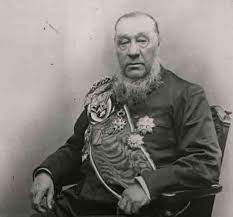
During the 19th century, increasing European settlement, big game hunting, and unregulated exploitation led to a dramatic decline in wildlife populations. Concerned about this, Paul Kruger, then President of the South African Republic (Transvaal), proposed the protection of wildlife in the Lowveld.
Proclamation of the Sabi Game Reserve (1898)
In 1898, Paul Kruger officially proclaimed the area between the Sabie and Crocodile Rivers as the Sabi Game Reserve. This marked the beginning of formal wildlife conservation in the region. However, in its early years, protection was limited and resources were scarce.
The First Rangers and Early Challenges
In 1902, after the Anglo-Boer War, the British administration appointed James Stevenson-Hamilton as the first warden of the reserve. He is widely regarded as the true founder of modern Kruger National Park due to his dedication to conservation and strict anti-hunting enforcement.
During the early 1900s:
- Poaching and illegal hunting were widespread
- Infrastructure was almost non-existent
- Local populations and hunters were resistant to restrictions
Stevenson-Hamilton introduced strict conservation policies, removed settlements from the reserve, and worked to rebuild wildlife populations.
Expansion and the Birth of Kruger National Park (1926)
In 1926, the Sabi Game Reserve merged with the neighbouring Shingwedzi Reserve to officially form Kruger National Park, making it South Africa’s first national park.
That same year marked a turning point:
- Tourism was officially introduced
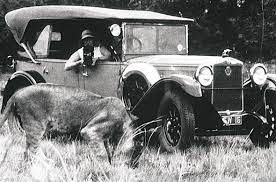
- The first visitors entered the park with basic facilities
- Early accommodation consisted of simple huts and camps
The First Tourists and Development (1920s–1940s)
In its earliest tourism years, travel through Kruger was slow and adventurous. Roads were rough, vehicles were limited, and sightings were far from guaranteed. However, the experience of seeing wildlife in its natural habitat quickly gained popularity.
Throughout the 1930s and 1940s:
- Roads and rest camps were gradually developed
- Wildlife populations began to recover
- Kruger became a recognized destination for nature tourism
Modern Kruger National Park
Today, Kruger National Park covers nearly 20,000 square kilometres and is one of Africa’s largest and most successful conservation areas. It is home to the Big Five, hundreds of mammal species, and over 500 bird species.
Kruger stands as one of the world’s leading examples of conservation, balancing tourism with wildlife protection and community involvement.
Wildlife & Biodiversity
Kruger National Park is famous for offering reliable sightings of the Big Five, making it one of the best safari destinations for first-time visitors to Africa.
In addition to large mammals, the park supports diverse ecosystems including rivers, bushveld, and savannahs, creating a rich environment for birds, reptiles, and smaller wildlife species.
Conservation & Protection Efforts
Kruger National Park plays a vital role in conservation across Africa. It protects endangered species such as the black rhino and African wild dog.
Ongoing efforts include:
- Anti-poaching patrols
- Wildlife monitoring programs
- Habitat restoration initiatives
These initiatives help ensure the long-term survival of wildlife while maintaining Kruger as a world-class safari destination.
Visiting Kruger National Park as a Backpacker
Kruger National Park is accessible to all types of travellers, including budget backpackers. Accommodation ranges from campsites to luxury lodges, but for a social and affordable experience, many travellers choose to stay at Kruger Park Hostel in Marloth Park.
The hostel offers:
- Guided Kruger safaris
- 3-day camping safaris
- Shared backpacker accommodation
- Easy access to Crocodile Bridge Gate
When visiting, always follow park rules and respect wildlife — this is a protected wilderness area where animals roam freely.
Plan Your Kruger Safari Adventure
Stay at Kruger Park Hostel and experience Kruger National Park with like-minded travellers. Perfect for solo travellers, backpackers, and adventure seekers.
Visit Kruger Park Hostel