SearchZum Inhalt springen

Discover the Hidden Gem of Africa: eSwatini
eSwatini

Nestled in the heart of Southern Africa, eSwatini (formerly known as Swaziland) is a treasure trove of culture, wildlife, and breathtaking landscapes. Just an hour's drive from the Kruger Park Hostel, located on the edge of the majestic Kruger National Park in Marloth Park, South Africa, eSwatini presents an enchanting destination for adventurers and culture enthusiasts alike. Whether you're starting your African journey with us or winding down after thrilling safaris, eSwatini is a perfect addition to your itinerary.

The Backpacker's Paradise

Despite its compact size, eSwatini is a haven for backpackers seeking an authentic Southern African experience. The country's manageable scale makes it easy to explore, offering a safe and welcoming environment for solo travelers and groups alike. With fewer hostels and more intimate guesthouses, you're guaranteed a personal touch to your stay, blending seamlessly with the local culture and community.

A Cultural Mosaic
eSwatini

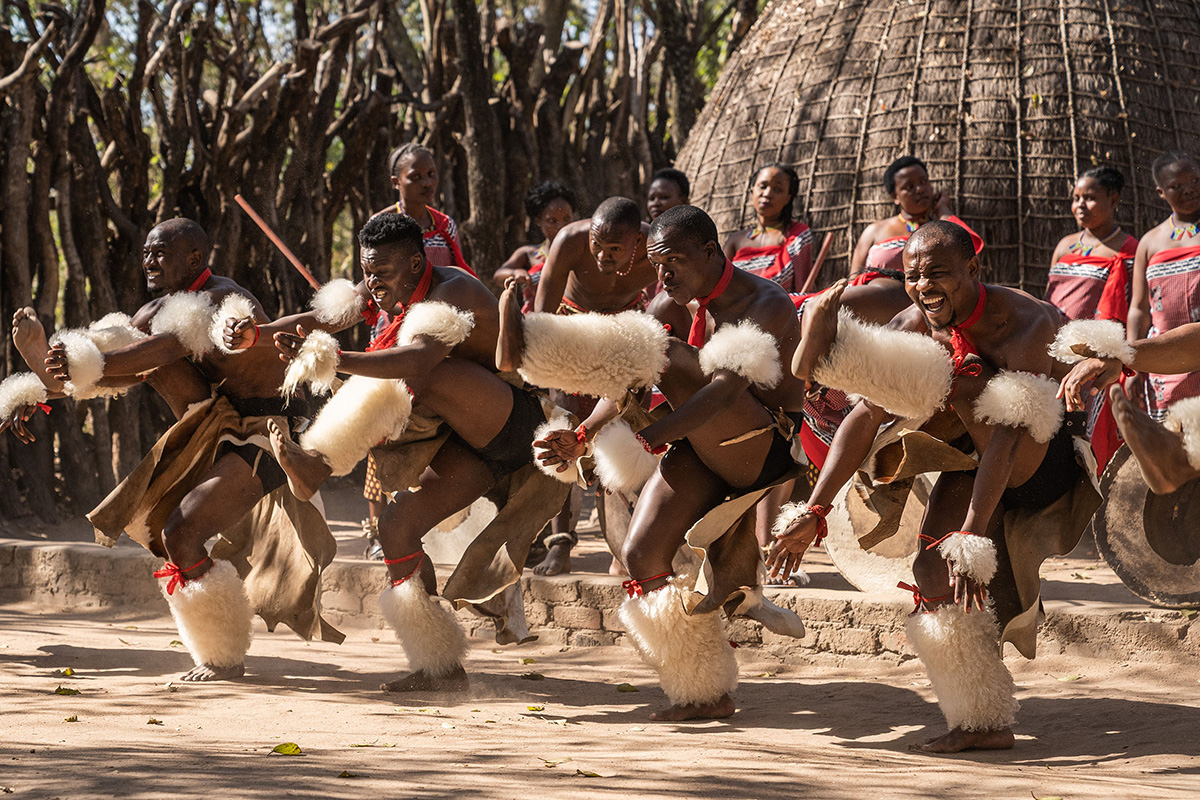
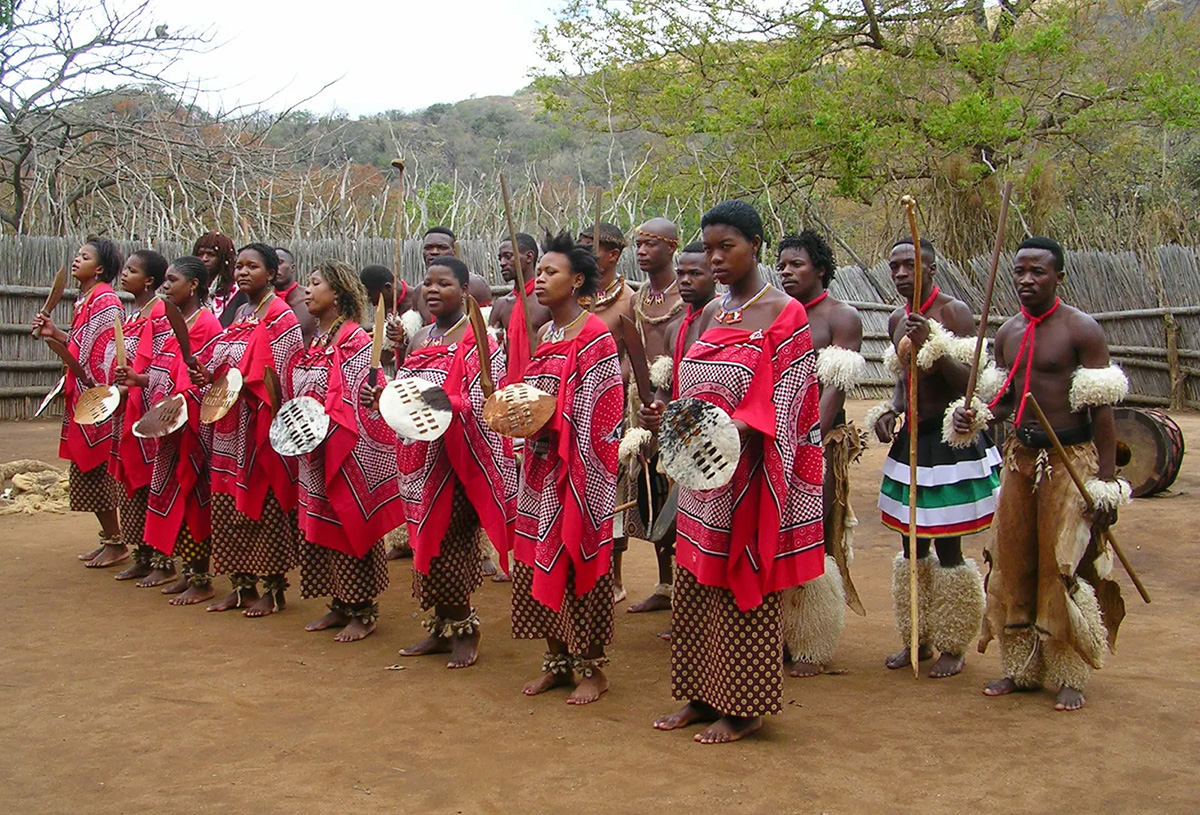
eSwatini's rich tapestry of history and tradition is evident in every corner of the country. From the vibrant ceremonies to the warm smiles of the Swati people, the nation's heritage is its heartbeat. Engage with the locals, and you'll find yourself immersed in stories and customs that have shaped this unique kingdom, one of the world's last remaining monarchies.

Natural Wonders and Wildlife

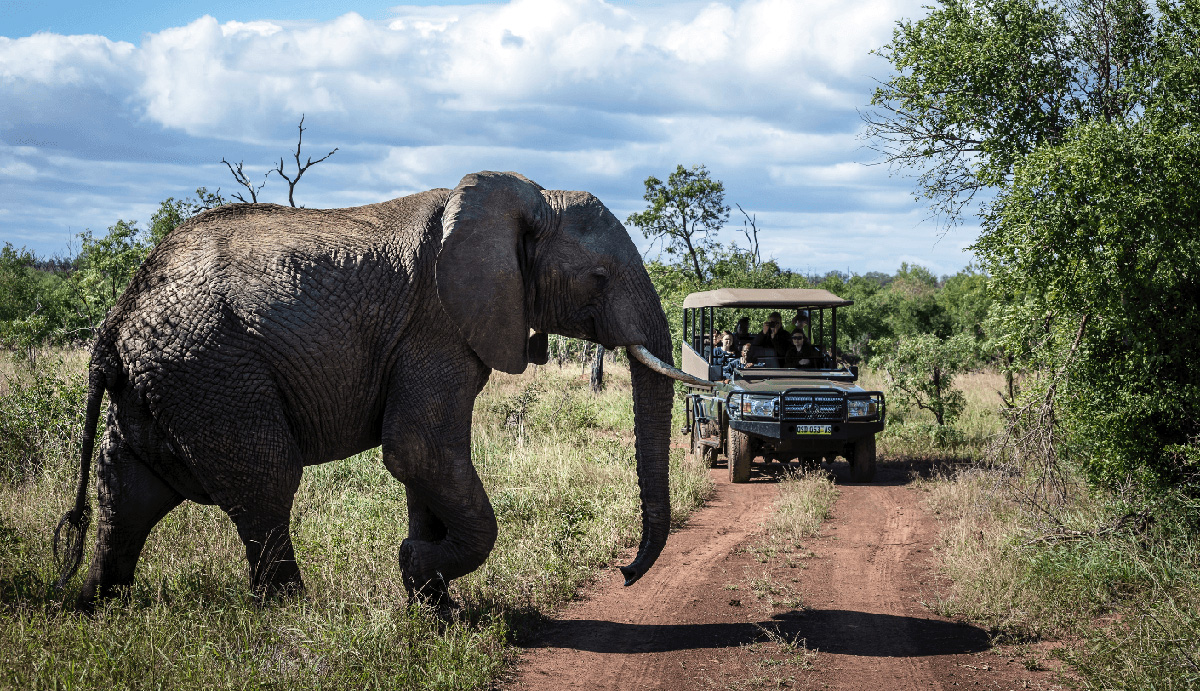
For nature enthusiasts and wildlife lovers, eSwatini is a dream. The country boasts several game reserves, home to a diverse array of African fauna, including four of the Big Five. The Hlane Royal National Park, with its majestic lions and serene landscapes, offers an unforgettable safari experience. Meanwhile, the Malolotja Nature Reserve invites the more adventurous spirits to explore its beauty from the treetops with an exhilarating canopy tour.
eSwatini

Adventure Awaits

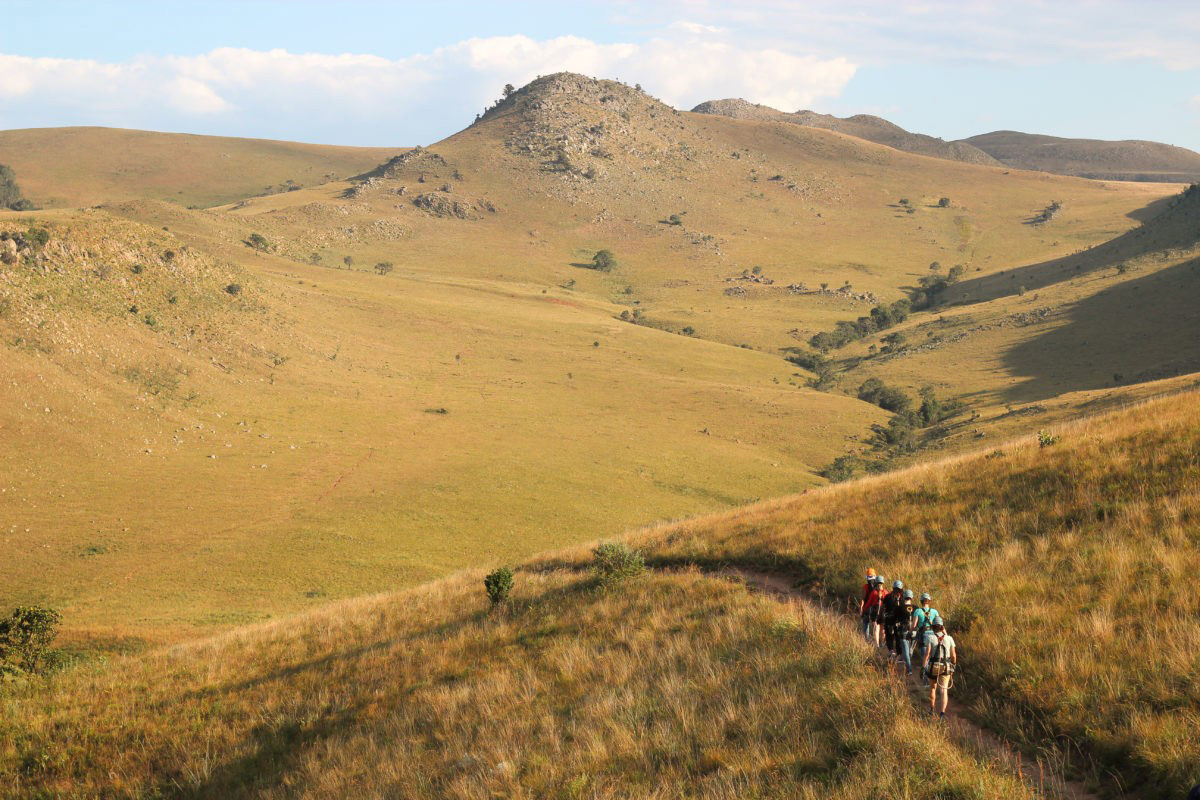
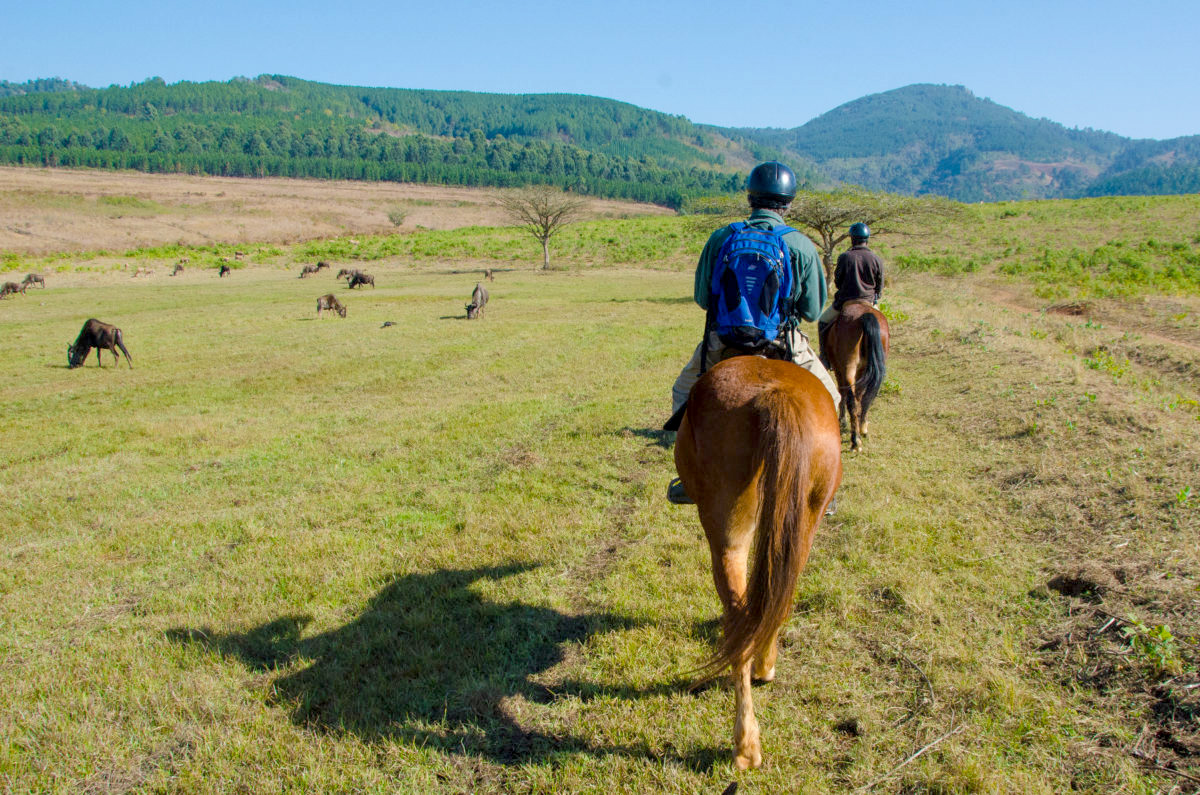
eSwatini is not just about serene landscapes and cultural immersion; it's also a playground for adrenaline seekers. From the challenging climbs of Sibebe Rock to the thrilling white-water rafting on the Usutu River, there's no shortage of heart-pumping activities. For a more leisurely adventure, the country's numerous walking trails and horseback safaris provide a unique perspective on its stunning natural beauty.
Horse Riding in eSwatini

Sustainable and Responsible Travel

As a guest of the Kruger Park Hostel, you're already part of a community that values sustainable and responsible tourism. eSwatini's commitment to conservation and sustainable living mirrors our own, making it an ideal destination for those who travel with purpose. By visiting eSwatini, you're supporting a country that cherishes its environment, wildlife, and people, ensuring they thrive for generations to come.

Located just an hour's drive from our hostel, eSwatini is easily accessible for a day trip or a longer stay. Our team can help you plan your visit, ensuring you experience the best of what eSwatini has to offer. Whether you're looking to extend your African adventure or seeking a tranquil retreat after the exhilarating safaris in Kruger National Park, eSwatini is a destination that promises memories to last a lifetime.
eSwatini

Join us at Kruger Park Hostel as we embark on journeys not just within the vast expanses of Kruger National Park but also to the heart of eSwatini, where the essence of Africa is alive and waiting to be discovered.


Explore the Kingdom of Eswatini with Kruger Park Hostel

Looking for more than just a safari? Join one of our guided Eswatini adventures and discover a country known for its rich culture, welcoming people, stunning scenery, and incredible wildlife.

Choose between a full-day cultural journey through the Kingdom of Eswatini or a 2-day camping safari to Hlane Royal National Park, where you can search for rhinos, elephants, lions, and other wildlife while camping under the African stars.

Why Visit Eswatini?

  • ✅ Traditional Swati Culture
  • ✅ Scenic Mountain Landscapes
  • ✅ Local Markets & Crafts
  • ✅ Rhino & Elephant Encounters
  • ✅ Authentic African Experiences
  • ✅ Small Group Guided Tours

50 Eswatini FAQs for First-Time International Visitors

Planning your first trip to Eswatini? This guide answers the most common questions international travelers have about visas, border crossings, safety, health, local culture, wildlife experiences, and safari parks. Whether you're joining a cultural day tour, visiting traditional villages, or exploring Hlane Royal National Park, these FAQs will help you prepare for your journey.

1. Do I need a visa to visit Eswatini?

Many nationalities can enter Eswatini without a visa for tourism purposes, but requirements depend on your passport. Always check current entry requirements before traveling.

2. Can I get a visa on arrival?

If your nationality requires a visa, it is generally best to arrange it before traveling rather than relying on visa-on-arrival facilities.

3. How long can tourists stay in Eswatini?

Many visitors are granted stays of up to 30 days, with possible extensions depending on circumstances.

4. How much passport validity do I need?

Ensure your passport remains valid for at least three months beyond your travel dates and contains sufficient blank pages for entry stamps.

5. Does my passport stamp matter?

Yes. Always verify that immigration officials have correctly stamped your passport when entering the country.

6. Do I need special documents if I'm also visiting South Africa?

Travelers crossing between Eswatini and South Africa should ensure they comply with the entry requirements of both countries.

7. Do I need a yellow fever certificate?

Only travelers arriving from or transiting through yellow-fever-risk countries may be required to present proof of vaccination.

8. Are health checks conducted at the border?

Border officials may ask health-related questions and occasionally require health declaration forms.

9. Can I visit Eswatini as a day trip from South Africa?

Yes. Day tours from South Africa to Eswatini are popular and provide a great introduction to the country's culture and scenery.

10. What happens if I drive my own vehicle into Eswatini?

Vehicles entering Eswatini may need customs paperwork and road levy payments at the border.

11. Can I use South African Rand in Eswatini?

Yes. South African Rand is widely accepted throughout Eswatini.

12. Will my bank card work?

Most hotels, restaurants, and larger businesses accept cards, although carrying some cash is advisable.

13. Should I buy travel insurance?

Absolutely. Comprehensive travel insurance is strongly recommended for all international visitors.

14. Is Eswatini safe for first-time visitors?

Most travelers find Eswatini friendly and welcoming, though normal travel precautions should always be taken.

15. What safety risks should tourists consider?

The most common concerns are petty crime, road safety, and avoiding demonstrations or large public gatherings.

16. Is it safe to walk around after dark?

Visitors should avoid walking alone in urban areas after dark and keep valuables secure.

17. Is self-driving a good option?

Yes. Self-driving is popular, especially for travelers confident on African roads.

18. Should I drive rural roads at night?

Daytime driving is generally safer due to livestock, wildlife, and limited lighting.

19. Is public transport recommended?

Many visitors prefer rental cars, guided tours, or private transfers for greater comfort and convenience.

20. Which vaccinations should I consider?

Consult a travel clinic before departure for recommended vaccinations and health advice.

21. Is malaria a concern?

Malaria risk exists mainly in some eastern lowveld regions rather than throughout the whole country.

22. Should I consider rabies vaccination?

Travelers spending significant time outdoors or around animals may wish to discuss this with a travel-health professional.

23. Can I swim in rivers and lakes?

Exercise caution when swimming in untreated freshwater locations.

24. How good are medical facilities?

Basic healthcare is available, but serious cases may require treatment in South Africa.

25. What emergency numbers should I know?

Save local emergency contacts, accommodation numbers, tour operator details, and travel insurance assistance numbers before traveling.

26. What makes Eswatini culturally unique?

Eswatini is one of Africa's last remaining monarchies and is known for preserving its traditions and cultural heritage.

27. Can visitors attend cultural festivals?

Yes, many festivals welcome visitors who participate respectfully.

28. What are Umhlanga and Incwala?

They are two of Eswatini's most important traditional ceremonies.

29. Are these ceremonies authentic?

Yes. They are living cultural traditions, not performances created specifically for tourists.

30. Can I visit a cultural village?

Yes. Cultural villages provide fascinating insight into traditional Swati life.

31. What should I wear?

Comfortable clothing, walking shoes, and layers suitable for changing temperatures are recommended.

32. Can I photograph local people?

Always ask permission before taking photographs of individuals.

33. How should I greet people?

A friendly greeting and respectful attitude are always appreciated.

34. Are there useful siSwati phrases to learn?

Simple greetings and thank-you phrases can go a long way in connecting with locals.

35. What souvenirs help local communities?

Handmade crafts from local artists and community projects are excellent choices.

36. Is tipping expected?

Tipping is appreciated in restaurants, hotels, and for guide services.

37. Does Eswatini have nightlife?

Yes. Visitors can enjoy restaurants, music venues, and cultural entertainment.

38. Are there museums and historical attractions?

Definitely. Eswatini offers museums, heritage sites, and cultural attractions throughout the country.

39. Is Eswatini worth visiting for safari?

Absolutely. Eswatini combines excellent wildlife viewing with rich cultural experiences.

40. Which parks are best for first-time visitors?

Hlane Royal National Park is often the most popular choice for first-time safari experiences.

41. Where can I see rhinos?

Several protected areas offer excellent opportunities to see both white and black rhinos.

42. Can I do a walking safari?

Yes. Guided walking safaris are among Eswatini's most memorable wildlife experiences.

43. Are self-drive safaris available?

Some reserves allow self-drive exploration in designated areas.

44. What park rules should visitors know?

Always follow posted rules, guide instructions, and gate opening and closing times.

45. Is Eswatini suitable for families?

Many parks are family-friendly, although some reserves have minimum age requirements.

46. What's the difference between Hlane and Mkhaya?

Hlane offers a classic safari experience, while Mkhaya focuses more on intensive conservation and guided wildlife encounters.

47. Is birdwatching good in Eswatini?

Yes. The country is home to a remarkable variety of birdlife.

48. Is conservation important in Eswatini?

Conservation plays a major role in protecting the country's wildlife and natural heritage.

49. Can I buy wildlife products?

Wildlife products are heavily regulated, and travelers should avoid purchasing items without proper documentation.

50. What should I expect from my first Eswatini safari?

Expect a more personal, less crowded safari experience with strong conservation stories and excellent wildlife encounters.