Going Green in the Bush: How Kruger Park Hostel Is Building a More Sustainable Safari Stay
At Kruger Park Hostel, “going green” isn’t a slogan — it’s a practical, day‑to‑day commitment to protecting the wild place we’re lucky enough to call home. Because we operate inside a living landscape, every choice — from how we handle food scraps to how we light pathways at night — has a real impact.
Why Hostels Are Already a Lower-Carbon Way to Stay
Independent research commissioned by Hostelworld and conducted by Bureau Veritas found that hostels are about three‑quarters less carbon intense than hotels, reporting averages of 1.18 tCO₂e per bed for hotels vs 0.30 tCO₂e per bed for hostels in the sample.
We love that the hostel model is inherently efficient — and we’re proud of what we do on top of that here in Marloth Park: solar power, composting, recycling, water reuse, local sourcing, and hands-on conservation projects.
1) Waste: Turning “Trash” into Soil — and Keeping It Out of the Bush
Composting food (and even paper)
We compost all compostable food waste, turning kitchen scraps into nutrient‑rich soil rather than sending it off‑site. We also recycle paper by shredding cardboard boxes and adding the shredded paper/cardboard into compost as carbon‑rich “browns.”
Reducing waste volume matters here — Marloth Park doesn’t have reliable municipal garbage collection, so lowering what needs to be hauled away is both greener and more practical.

Recycling glass, cans & bottles
We recycle beer bottles and glass, as well as cans and other recyclables wherever possible — less landfill, less mess, and a cleaner conservancy for people and wildlife.
Paper-to-compost loop
Cardboard that would normally become waste becomes part of our soil-building cycle — supporting our garden and closing the loop on packaging we can’t avoid.
2) Energy: Solar Power, Smarter Usage, and Darker Nights for Wildlife
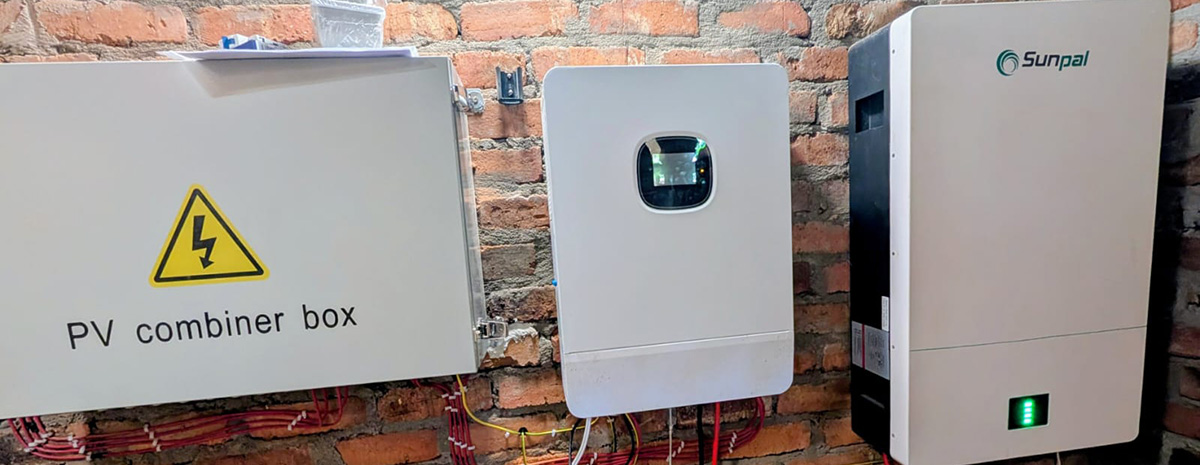
Solar now — going off-grid soon
We’ve installed solar and we’ll soon be going off‑grid. In the Lowveld, sunshine is one of our most abundant resources — and switching to solar is one of the clearest ways to reduce reliance on fossil-fuel-driven power.
Efficiency upgrades: LEDs + smart controls
- Energy‑efficient LEDs throughout the property
- “Switch‑off defaults” using timers on high-consumption equipment like geysers and pool pumps
Motion-sensitive pathway lighting (good for guests & nocturnal animals)
We use motion‑sensitive LED lighting on garden walkways. This improves safety for guests while reducing constant light pollution. Keeping the property dark most of the night helps protect the natural rhythms of nocturnal animals.
3) Water: Reuse, Don’t Waste — Greywater Irrigation
Water is precious in a wild landscape. That’s why all greywater is filtered and reused for irrigation. Instead of letting usable water disappear down the drain forever, we repurpose it to support plants and green spaces.
4) Food: Real Ingredients, Less Packaging, and Meals That Taste Like Home
Cooking from scratch (raw ingredients, not processed foods)
Our meals are prepared from raw ingredients — flour, yeast, herbs, vegetables, and real pantry staples — instead of relying on heavily processed foods. That means less industrial processing, less packaging, and a kitchen that’s healthier for guests and the environment.
We love food that tastes like food — not like “ingredients you can’t pronounce.” Fewer additives, fewer mystery chemicals, and more honest flavour.
Homemade staples (better, cheaper, and greener)
We prepare staples like bread and rusks from basic ingredients (including flour and yeast) — which also reduces packaging waste versus buying pre-packaged alternatives.
5) Local Sourcing + Our Vegetable Garden
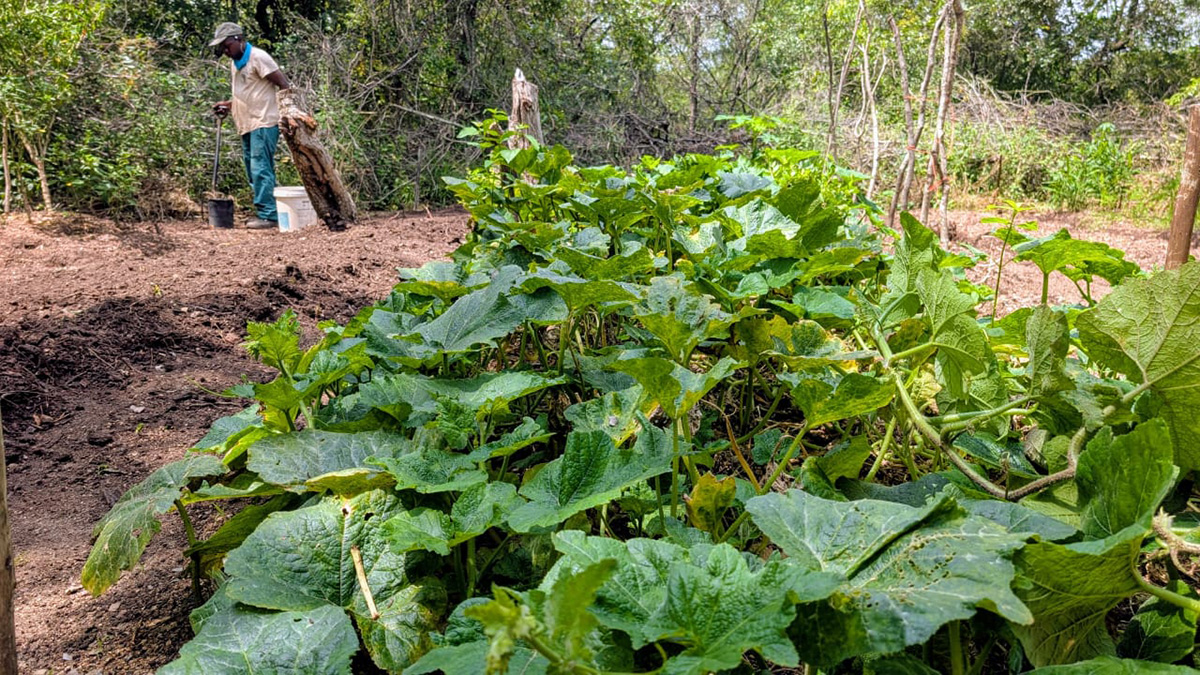
Whenever possible, we prioritize local sourcing for food and supplies — supporting nearby producers and cutting “food miles.”
Our vegetable garden is supported by compost and greywater irrigation — a small, practical way to reduce packaging, boost freshness, and keep us connected to the land.
6) Conservation: Looking After the Ecosystem — Not Just Observing It
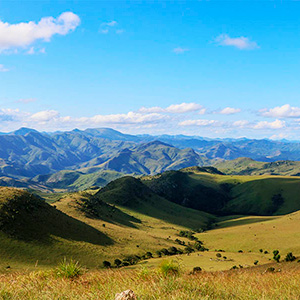
Grassland rehabilitation + erosion control
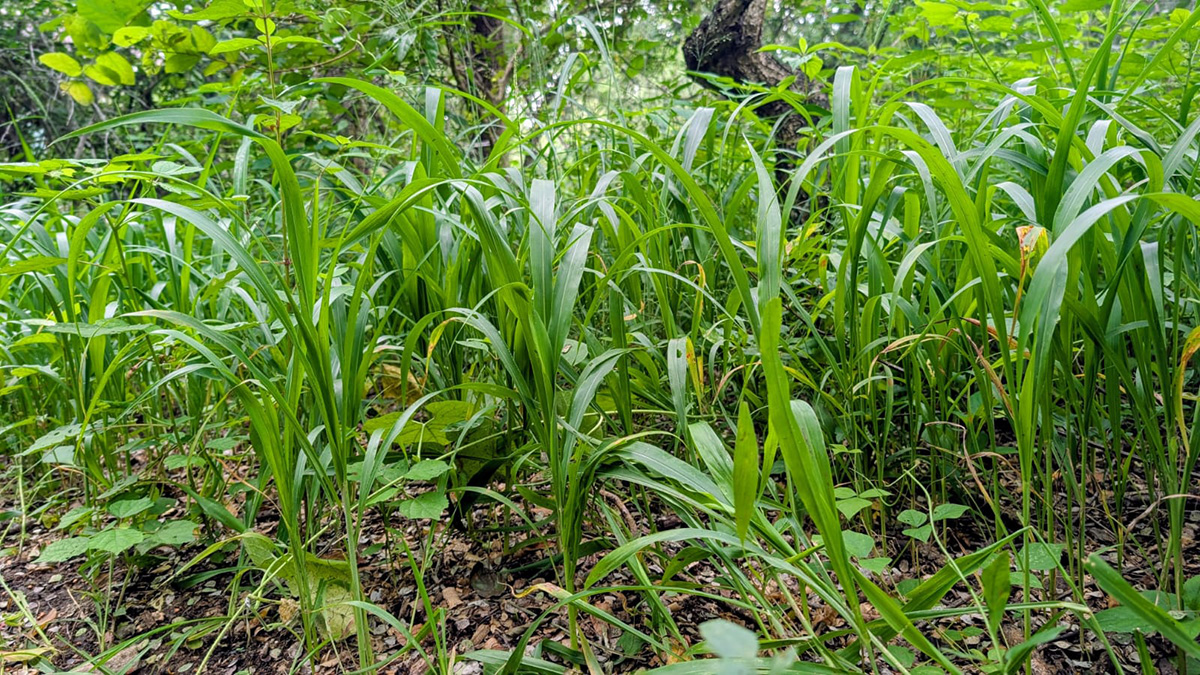
We actively support wildlife conservation by rehabilitating grasslands in Marloth Park — and we’re deeply involved in erosion control. In our conservation work, cleared/thinned branches can be used for erosion control and to protect regrowing grasses.
Helping animals through winter & drought
During winter and periods of drought, we bring in special food pellets and lucerne so that animals in the conservancy don’t starve. In the bush, tough seasons are real — and supporting wildlife responsibly is part of living here with respect.
Ponds for frogs, tadpoles & the food chain
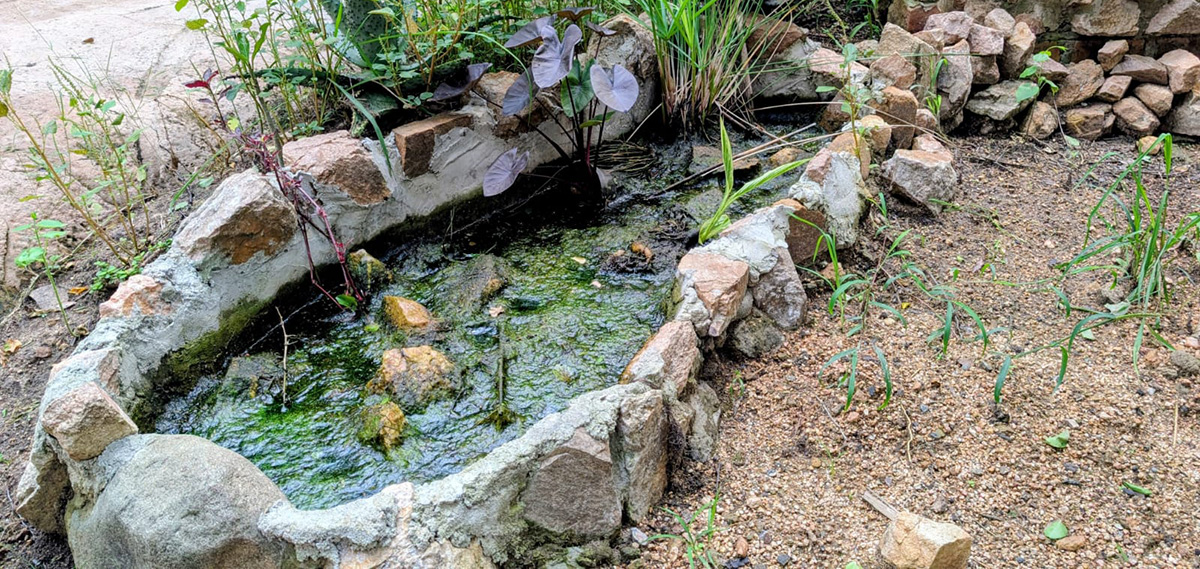
We’ve created ponds that support frogs and tadpoles — and that ripple effect matters. Healthy amphibian life supports the food chain above them and contributes to biodiversity around the hostel.
Indigenous bird seed + bird baths (and the joy of watching nature return)
We put out indigenous bird seed and provide bird baths. Over the past two years, this has helped encourage birds to make nests around the hostel — and we get to witness their life cycle from chicks, to young birds, to adults.
7) People & Community: Sustainability Must Include Locals
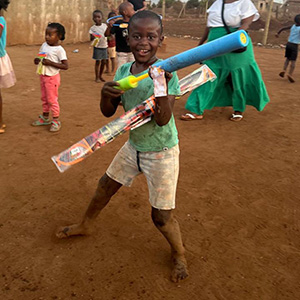
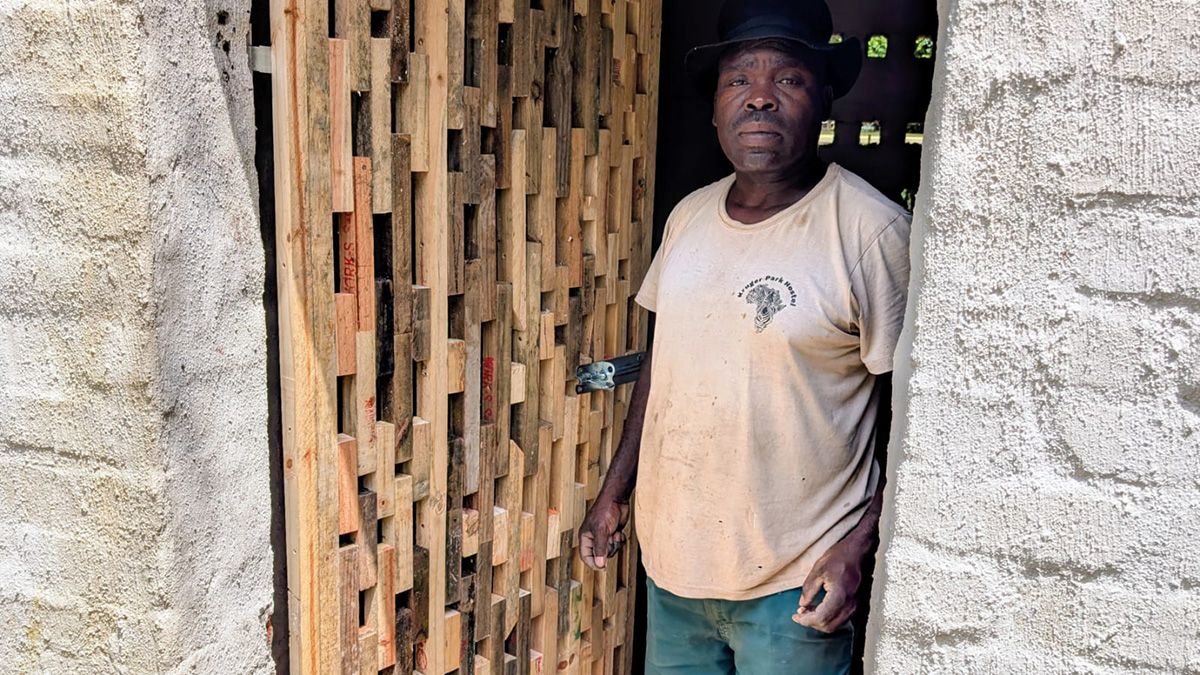
True sustainability is environmental and social. That’s why we focus on hiring and training locally — nearly all of our staff come from Naas.
For us, sustainability also means building skills, creating stable work pathways, and ensuring tourism benefits are shared with the communities living alongside this ecosystem.
Our Promise: Progress Over Perfection
Sustainability is a journey. We’ll keep improving — step by step, system by system — while staying honest and practical. In the end, “going green” should mean one thing: leaving this place better than we found it.
Stay with purpose — without losing the fun
Book a stay, join a safari, eat from scratch, and know your Kruger base is taking real steps toward a lighter footprint.
Sustainability at a Glance
- Compost all compostable food + shred cardboard into compost
- Recycle glass (incl. bottles), cans, and more
- Solar installed — going off-grid soon
- LEDs, smart controls + timers on geysers/pool pumps
- Motion-sensing walkway LEDs to keep nights darker for wildlife
- Greywater filtered and reused for irrigation
- Scratch-made meals (raw ingredients; fewer processed foods)
- Local sourcing + vegetable garden
- Grassland rehabilitation + erosion control
- Winter/drought feeding support (pellets + lucerne)
- Ponds for frogs/tadpoles + bird habitat support
- Hiring & training locally (Naas community)
How guests can help (easy wins)
- Use the recycling bins correctly
- Be mindful with water and electricity
- Ask us about conservation work you can learn from or join
Want to see wildlife right at the hostel? Keep your eyes open — nature is our neighbour.
© Kruger Park Hostel • Marloth Park • Your affordable safari base near Kruger National Park